
We Install Chimney Caps Near You in New Haven & Fairfield Counties
Seeking a reliable chimney service provider that provides chimney cap installation services near you? Leave it to Total Chimney Care. We’re happy to help, and we’ll ensure your chimney and fireplace stay better protected through it all, no matter the weather outside. If you have questions or if you’d like to schedule an appointment, reach out today – we’re here for you.
What Do Chimney Caps Do? 4 Major Functions
A chimney cap is the protective cover for the top of your chimney. They are often black or silver in color and have four major functions:
1. Serve As Spark Arrestors
Chimney caps prevent sparks and embers from your fire from getting out of the chimney and onto your roof or to nearby structures where they could start a fire
2. Keeping Rain Out of Your Chimney
If rain gets into your chimney, it can cause a wide range of problems. When it mixes with creosote, it can cause the mortar of your chimney to erode. It will also eat away at the metal parts inside the chimney, such as the damper or chimney liner, causing them to rust. Chimney caps cover your flue opening, so that this isn’t an issue.
3. Keep Animals Out
Chimney caps prevent curious squirrels, birds and rodents from nesting inside your chimney, where they can have babies, invite pests and odors, and disrupt your relaxing home routine.
4. Block Outside Debris
Chimney caps play a big role in stopping leaves, branches and other debris from getting inside your chimney. All of these things can cause blockages (causing smoke and gases to enter your home), as well as invite fire hazards, so keeping them out is a must.
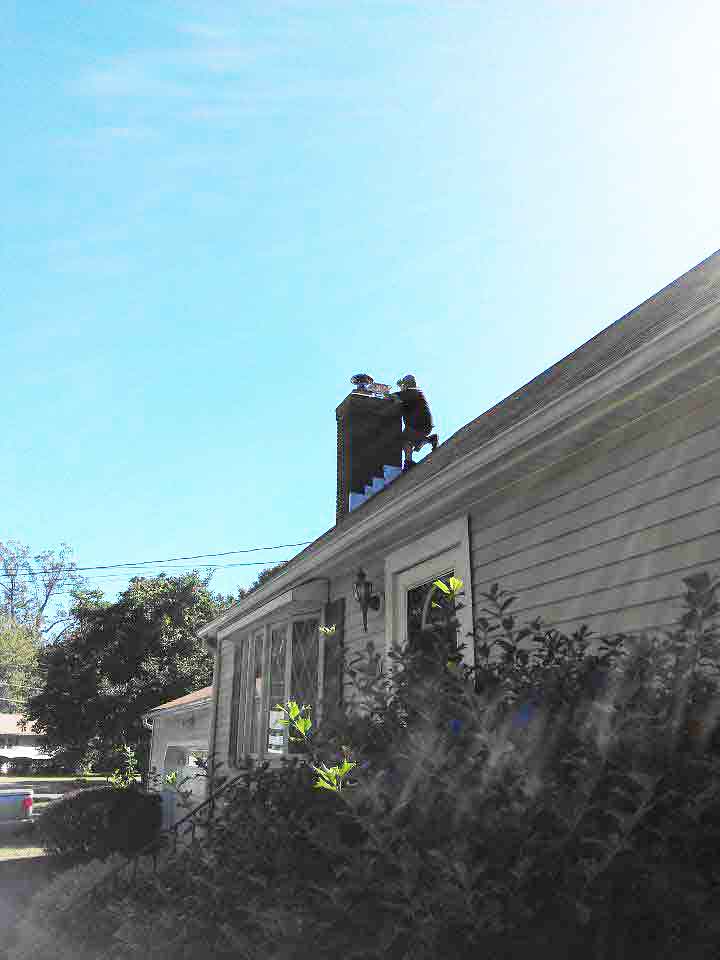
Chimney Cap Replacement: Rely On Us
If your chimney cap is damaged or destroyed, you should replace it as soon as possible. As indicated above, chimney caps serve several important functions in order to keep your chimney safer and more efficient. These are all important when it comes to the longevity of your chimney. Animals can cause severe damage and destruction to the chimney structure, not to mention the fact that animal droppings can be hazardous to your health.
However, water is without a doubt the biggest threat to your chimney. The more water and moisture you can keep out of your chimney, the less damage it will cause. If you protect your chimney, it will save you money in the long run. Water can quickly cause massive destruction inside your chimney, resulting in damage that can be expensive to repair.
Is a Chimney Cap Different From a Chase Cover?
Although similar in function, material, and appearance, chimney caps and chase covers are indeed different.
What is a chimney cap?
A chimney cap is a protective device that sits on top of your chimney flue (the pipe that vents smoke and gases from your fireplace or stove). It’s usually made of stainless steel, galvanized steel, or copper and comes in various shapes, styles, and sizes to match your chimney type.
A chimney cap’s main functions are to:
- protect the flue opening from rain, snow, leaves, and debris.
- keep birds and animals from nesting inside your chimney.
- act as a spark arrestor, helping to prevent stray embers from escaping onto your roof.
- help reduce downdrafts, especially on windy days.
No matter what type of flue system or chimney type you have, a chimney cap is a must!
What is a chimney chase cover?
A chase cover is a metal covering that most commonly sits over the top of a factory-built or prefabricated chimney chase, although we sometimes see them replacing chimney crowns on masonry chimneys. The chase cover seals off the top of the chase or chimney, sort of like a lid on a box. You could essentially think of it as a metal chimney crown.
A chase cover’s main functions are to:
- prevents water intrusion into the chase structure, which can cause rot, rust, and mold.
- directs rain and snow away from the sides of the chimney structure.
- provides structural protection for the framed chase, especially when paired with proper flashing.
Not every chimney will need a chase cover. Any structure with a wood or vinyl chase will need one, but most masonry chimneys have a chimney crown built instead.
What’s the Difference Between a Chimney Cap & Chimney Crown? Do I Need Both?
These two components are often confused, but they serve distinct purposes – and yes, you need both.
- The chimney crown (sometimes called a chimney wash) is the concrete or mortar slab that covers the top of the entire chimney structure, surrounding the flue tile(s). It’s built into the masonry and slopes slightly downward to direct water away from the flue and off the chimney. The crown protects the chimney’s masonry structure from water intrusion.
- The chimney cap sits directly on top of the flue tile opening in the center of the crown. It protects the inside of the flue itself — preventing water, animals, and debris from entering the chimney system.
Think of it this way: The crown protects the chimney structure, while the cap protects the flue opening.
Both work together as a system. A cracked or deteriorating crown allows water to seep into the masonry, leading to spalling, freeze-thaw damage, and structural compromise. A missing or damaged cap allows water, animals, and debris directly into the flue. Neither can fully compensate for the absence or failure of the other.
During any cap installation, our technicians inspect the crown as well. If we find cracks or damage, we’ll let you know and can discuss repair options, whether that’s crown repair with a flexible sealant or a full crown rebuild.
Do I Need a Chimney Cap if My Fireplace Is Rarely Used?
Yes – a dormant chimney sits open and idle for long stretches of time, making it a prime target for:
- Animal nesting. Birds and small mammals are constantly looking for sheltered spaces, and an unused flue provides the perfect opportunity. Nests can go undetected for months.
- Moisture damage. Without regular heat cycling, moisture has no way to dry out. Water that enters can sit, freeze, and expand, accelerating the deterioration of your flue liner, damper, and masonry.
- Debris blockage. Leaves and organic matter accumulate faster in an unused flue and may go unnoticed, leaving you at risk when do eventually ight a fire.
If you’re not using your fireplace regularly, a chimney cap combined with a sealed damper is the best way to protect your system between uses. Don’t let “out of sight, out of mind” lead to an expensive repair bill.
How Do I Know if My Chimney Cap Is Damaged or Missing?
Some signs are obvious, while others require a closer look. Here’s what to watch for:
Visual Signs (from ground level):
- You can’t see any cap on top of the chimney
- The cap appears visibly bent, crushed, or tilted
- Rust stains running down the chimney exterior
- Animal activity or sounds coming from the chimney
Signs Inside the Home:
- Water stains on the ceiling or walls near the fireplace
- A musty or damp smell coming from the firebox
- Debris (leaves, twigs, animal droppings) inside the firebox
- Evidence of animals – nesting material, scratching sounds, or visible wildlife
- Smoke backing up into the room when using the fireplace (may indicate a blockage)
- Visible rust on the damper
Be sure to book annual inspections, regardless. Even if everything looks fine from the outside, a professional inspection may reveal a cap that’s improperly sized, corroded from the inside, or attached insecurely. This is one of the reasons an annual chimney inspection is so valuable – problems are identified before they become expensive repairs.
If you’re unsure whether your cap is intact and functioning properly, give us a call. Our CSIA-certified technicians can assess your chimney and give you an honest, straightforward answer.
Can I Install a Chimney Cap Myself, or Should I Hire a Professional?
While chimney caps are sold at hardware stores, DIY installation is one of those tasks that looks simpler than it actually is – and the consequences of getting it wrong can be significant.
Here’s why professional installation is the smarter choice:
- Proper sizing is critical. A cap that’s even slightly too small won’t seal properly and will allow water and pests to enter. One that’s too large can interfere with draft. Accurate measurement of your flue requires experience and the right tools.
- Roof and chimney access is hazardous. Climbing onto a roof and working around a chimney without proper training and safety equipment creates real fall risk, especially on steep or wet Connecticut rooftops.
- Installation method matters. Caps must be secured correctly to withstand wind, ice, and weather. An improperly fastened cap can blow off entirely or damage the chimney crown when it does.
- Underlying issues may go undetected. A professional installer will assess the condition of your chimney crown, flue liner, and masonry while on the roof – often identifying damage that a homeowner would miss entirely. Catching a cracked crown or deteriorating mortar early can save thousands in repairs.
At Total Chimney Care, chimney cap installation includes a visual assessment of your chimney from the top. You’re not just getting a cap installed… You’re getting the peace of mind that comes with trained, CSIA-certified eyes on your system.
For Chimney Cap Installation Near You, Trust Total Chimney Care
If you don’t have a chimney cap, call Total Chimney Care today. We offer beautiful caps that come in all shapes, sizes and materials. A chimney cap will make a beautiful addition to your home, as well as provide important protection for your chimney structure. Contact us today.
For more peace of mind, have your chimney chase cover inspected and repaired if needed. It’s important for the safety of you and your household.