
Chimney Services » Fireplace & Chimney Services » Repairs & Installations »
Looking for Fireplace & Chimney Masonry Services Near New Haven & Fairfield Counties? Call Total Chimney Care
Your chimney is one of the most distinguishing features of your home. Unfortunately, your chimney also takes a beating from the elements. From extreme temperatures to rain and snow, your chimney must withstand everything that Mother Nature has to offer. On the other end, settling in your home’s foundation can also wreak havoc on your chimney, making your fireplace structurally vulnerable and causing ugly cracks that can detract from both the beauty and value of your home.
Owning a masonry chimney means that tuckpointing and other masonry repairs are a normal part of home maintenance you should anticipate. While many masons offer these services, specialized knowledge is crucial for chimney work. If the repairs aren’t done correctly the first time, you’ll likely face the expense and inconvenience of having the work redone.
If you’re located in Connecticut and need certified professional chimney or fireplace services near New Haven and Fairfield counties, please give us a call or reach out online.
What Are Common Issues With Masonry Chimneys?
Masonry chimneys are built to last, but like any structure exposed to the elements, they can develop issues over time – especially in climates with freezing and thawing cycles. Some of the most common problems include:
- Cracked or crumbling mortar joints. Mortar naturally degrades with age and weather exposure, leaving gaps that allow moisture to seep in.
- Spalling bricks. This occurs when moisture gets inside the bricks and freezes, causing the face of the brick to pop off or flake away.
- Chimney leaks. Water intrusion can happen due to flashing issues, missing chimney caps, or damaged crowns, leading to internal damage.
- Efflorescence. White staining on the exterior brickwork is a sign of moisture pushing salts out through the masonry.
- Chimney crown damage. The crown, or top surface of a masonry chimney, can crack or deteriorate, letting water into the system.
- Flue tile damage. As time passes, the interior clay tiles may crack or break apart, reducing the chimney’s ability to properly vent gases.
- Leaning or structural instability. Older or neglected chimneys may begin to lean or shift due to compromised foundations or prolonged moisture exposure.
Each of these issues can worsen over time if left unaddressed, which is why routine chimney inspections are so important.
How Do I Know if My Masonry Chimney Needs Repairs?
Many homeowners don’t realize their chimney needs attention until the signs become hard to ignore. You might notice crumbling brick or mortar on the exterior, especially near the base or around the top of the chimney. You could also see visible gaps between bricks, staining on nearby walls or ceilings, or water in your firebox after a storm.
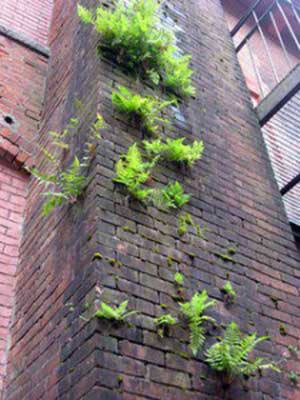
A smoky fireplace, unpleasant odors, or a noticeable draft change may also point to damage inside the chimney structure. In some cases, bricks may fall off entirely or you might see moss and plant growth – clear signs that moisture is getting in and creating structural concerns. A leaning chimney or one that shifts over time can indicate foundation or stability issues that require immediate attention. If any of these problems appear, it’s time to bring in Total Chimney Care to check out the condition of the chimney and recommend appropriate repairs. Regular chimney inspections, especially before and after winter, are key to identifying issues early and preventing more extensive damage.
Why Is Chimney Masonry Repair So Important? Can I Ignore Small Cracks in My Chimney?
This is one of the most common questions we hear – and the honest answer is: no, you really shouldn’t ignore even minor masonry damage. Here’s why:
- Water is the #1 enemy of a chimney. Brick and mortar are porous by nature, meaning they absorb moisture. When water enters cracked mortar joints or spalled bricks, it works its way deeper into the masonry. In Connecticut’s climate, that absorbed moisture freezes during winter, expands, and breaks apart the masonry from within. Each freeze-thaw cycle causes more damage than the last – what starts as a hairline crack can eventually compromise the structural stability of your entire chimney.
- The cost of waiting grows exponentially. A minor tuckpointing job on a small section of deteriorated mortar might cost a few hundred dollars. Ignore it for a few seasons and you could be looking at brick replacement, crown rebuilding, or even a full chimney rebuild from the roofline up – costs that can run into the thousands.
- It’s a fire and safety hazard. Gaps in the firebox or flue can allow dangerous heat and gases (including carbon monoxide) to migrate into the living spaces of your home. Compromised masonry can also lead to chimney fires if embers reach combustible building materials through structural gaps.
- It affects your home’s value and insurance. A deteriorated chimney is flagged during home inspections and can affect your property value and homeowner’s insurance coverage.
In short, early intervention is always the smarter, safer, and more cost-effective choice.
What Is Tuckpointing? How Do I Know if My Chimney Needs It?
Tuckpointing (also called repointing) is one of the most common and important chimney masonry repairs. It involves carefully removing the deteriorated mortar from between the bricks (typically to a depth of about ¾ inch), then replacing it with fresh mortar that’s properly matched to the existing masonry in color, composition, and flexibility.
Mortar is actually designed to be the “sacrificial” element in masonry – it’s intentionally softer than the bricks so that it absorbs stress and weathers before the bricks themselves are damaged. This is why you’ll often see the mortar joints fail before the bricks do. That’s actually by design, but it does mean mortar requires periodic maintenance.
Signs your chimney needs tuckpointing:
- Mortar joints that appear recessed, crumbly, or have gaps
- You can pick at the mortar with a key or screwdriver and it comes out easily
- Visible cracks running along the mortar lines
- White efflorescence staining on the brick face
- Water is entering the chimney or fireplace
In Connecticut, tuckpointing is especially important because our climate puts masonry through significant stress. The freeze-thaw cycles we experience each winter are particularly harsh on deteriorated mortar.
When done correctly by experienced technicians using the right mortar mix and application technique, tuckpointing can add decades to the life of your chimney and prevent far more costly repairs down the road.
How Do You Repair a Damaged Chimney Crown? Why Does It Matter So Much?
The chimney crown is a concrete or mortar cap that covers the top of the chimney structure, surrounding the flue liner opening. It’s designed to slope slightly outward so that water runs off the chimney rather than pooling on top of it. Despite being a relatively small component, it plays an outsized role in chimney health.
The chimney crown is the chimney’s primary defense against water infiltration from above. When it cracks, chips, or crumbles – which happens frequently due to weathering and thermal stress – water flows directly down into the space between the flue liner and the masonry walls. This hidden water damage can rot wood framing, rust metal components, deteriorate the flue liner, and erode interior masonry long before any visible exterior signs appear.
How crown repair works:
- Minor cracks: Small cracks can be filled and sealed with a flexible, elastomeric chimney crown sealant that bonds to the existing concrete and expands/contracts with temperature changes, preventing future cracking
- Moderate damage: More significant cracking or spalling may require applying a resurfacing compound over the existing crown structure
- Severe damage or complete failure: When the crown has deteriorated beyond repair, it must be demolished and fully rebuilt using the correct mixture of Portland cemen – not the commonly misused standard mortar mix, which lacks the durability needed for this exposed location
After any crown repair, applying a quality waterproofing sealant is strongly recommended to extend the life of the repair and protect against future moisture penetration. Crown repairs are among the most cost-effective investments you can make in chimney longevity – a relatively modest repair that prevents thousands of dollars in downstream water damage.
When Should I Call a Professional Chimney Mason?
When you first begin to notice that your chimney bricks are starting to flake or mortar is falling out, you should have your chimney evaluated as soon as possible. Oftentimes, masonry repairs can be done for a very reasonable price. However, once a chimney has become too damaged, the structure must often be partially or completely torn down and rebuilt. If the deterioration is remedied quickly, you extend the life of your chimney and save yourself some considerable expenses.
Fortunately, Total Chimney Care specializes in making masonry repairs for chimneys and fireplaces using high-quality materials that will last for years. If you have loose bricks or cracks in your mortar, our trained technicians will inspect your chimney and recommend the best method to get it back in proper working condition. Masonry repairs are definitely something that should not be left to amateurs. Our chimney experts take pride in making sure that you are completely satisfied with our work.
Total Chimney Care will meticulously match your existing mortar, making sure that your chimney looks like it did the day it was built. All of our work will be completed in accordance with state and local building codes, so you can rest assured that your chimney will be both functionally safe and aesthetically beautiful when the work is complete.
Trust Total Chimney Care for Expert Masonry Repairs
Whether your chimney is showing signs of water damage, structural wear, or just needs a few mortar joints repaired, Total Chimney Care has the experience and training to restore it properly. Our technicians are fully certified, thoroughly vetted, and committed to getting the job done right, every time. We’ve been helping homeowners throughout New Haven, Fairfield, Milford, and surrounding areas since 1996, and we know what local chimneys need to stand strong through every season. Call today to schedule your masonry chimney evaluation and get your system back in great working order.
Be sure to have your chimney damper inspected, too – Total Chimney Care will be glad to help with any repairs or installation needs that is required.